 |
| Christ by Jamini Roy |
Christianity is an oriental religion. Swami Vivekananda says Christ is an Asian whose teachings could appeal to an Indian more than an American. When he was travelling between 1888 and 1893 all over the world he was carrying with him only two books, the Gita and The Imitations of Christ. He said yet another time “had I lived in Palestine in the days of Jesus of Nazareth I would have washed his feet not with tears but with my heart’s blood”. He never attended a church nor listened to the preacher yet he understood Christ more than the Christians do. So what is deficient in the Indian Christian church and its understanding of Christ? The answer is our church engages more with dogma and doctrines, theories and philosophies that were brought to us from Europe than with the person of Christ directly in the Indian way.
Recent researches show that unlike the European missionaries who propagated Christianity doused in Roman rationalism, the early Christianity brought by St. Thomas, the simple Jew of Palestine, to the Malabar Coast had been oriental in ethos and was more appealing to the simplicity of the Dravidian mind. It was nearer to the Sumerian and the Greek than to the Roman and it was more of the spirit than of the mind. St. Thomas was an unlettered Jew compared to Paul who was a scholar student of Gamaliel.
Later, the Christian religious experiences infused by St. Thomas were amalgamated by the Bakthi Movement and this explains the echo of Christ’ teachings in Saiva Siddanta and the oriental nature of the religious practices in the Goan churches. Modern researches also say Christ’s triumph over death could have given birth to the dance of Siva vanquishing Muyalavan, the God of Death at the cremation grounds. St. Thomas gave the people the idea of a saviour conquering death and this inspired the artistic Dravidian mind. The ideas of St. Thomas were absorbed completely with the “indigenous elements of great beauty” of the Dravidian culture.
After about 1700 years the Christianity that was brought to us by the Roman and Anglican churches made an initial impact on the economically and spiritually deprived classes, but could not continue effectively because it was so foreign to Indian ethos. Not only Christianity didn’t spread but also the sensitive Christians often are dissatisfied with the church and look elsewhere. The two kinds of Christianity that reached the Indian shores, one at the beginning of the first millennium connected with the Eastern Churches and the other at the end of the second millennium connected with the Western Churches were so different in spirit and practice. It is similar to the recorded scuffle between the followers of St. Peter and St. Paul. Paul’s church conquered the western mind but failed to sustain itself in the Indian soil. So if Christ is to live in India it must be made suitable for Indian ethos. Gandhi made it very clear; he argued if Christianity is to have a hold in India it must be swadshi (local) in nature. Christianity must be appropriated and contextualized.
This does not mean that Christ’s teachings must be watered down. It’s just the opposite; Give it in an Eastern cup which is easier for the Indian as he is nearer in thought, philosophy and aptitude to Christ than a Westerner. Can there be any Indian who is not influenced by the Buddha and his teachings of nirvana; so also it would be easier for the Indian to understand the full import of Christ’s teachings based on ‘leave all that is worldly behind’. When Emperor Constantine appropriated Christianity as his faith, it was once removed, when it was brought to India it was twice removed from the great Palestinian. Appropriation is bringing it back to where it originally belonged. Again to quote Vivekananda “I pity the Hindu who does not see the beauty in Jesus Christ’s character. I pity the Christian who does not revere the Hindu Christ.”
To make Christianity efficacious in India, the church must be brought nearer to the person of Christ, nearer to the spirit, to the heart rather than to the mind. New patterns of worship congenial to our ethos must emerge. This thought is not entirely new; It has been experimented a few times but die quick since instead of actively and creatively negotiating with the small irritations it may create in the celluloid dogmatic priesthood that would argue it out as ‘hinduization’, or with that part of the congregation that suffers ‘overseas snobbishness’ to snub anything native as ‘indigenisation’ it is abandoned in desperation. Anything new is shunned. The freedom to adopt any form of worship that suits the local situation is essential but we live in endless imitation. A foolish consistency is the hobgoblin of little minds, as Emerson said.
Even in the architectural pattern the protestant churches are increasingly moving towards rationalism and at present big assembly halls are built for churches that are best suited for rational thinking and discussions. The churches especially of the Pentecostal types are big assembly halls with its atmosphere uncongenial to create the tranquil ambience where the spirits and the thoughts ascend heavenwards. The earlier churches mostly were of cathedral type with spires. Even now small Catholic churches are built with spires and congenial for pious worship.
With the early Christianity church building was immensely native. One travelling from Ernakulam to Aleppy finds the way dotted with small churches that exudes Indian sensitivity. They are all like temples but with Christian iconography. St. Mary’s Orthodox Syrian Church built for St Thomas by the local ruler in Therisaṅaṅkōppu, though small, makes us feel immediately to kneel down and pray. It brings the aura of piety and emotion. It is said that in those days the Hindu temple and the Christian churches looked the same from the outside, to differentiate, the kuttuviḷakku (the Indian lamp) in front of the church would have a plantain bud at the tip for the temple and a cross for the church.
With the patterns of worship it’s still remote from the Indian consciousness. Though the Catholics have the same worship pattern all over it is somehow nearer to the spirit. Much can also be learnt from the Mar Thomas churches and the Orthodox Syrian Church. It may be due to its similarity to the synagogue in worship.
There must be plenty of space for individual worship and family worship; like the Hindu temple the church must be open and available. Catholic churches are open for most of the time.
Sermons devour the better part of the services. Though we name it congregational worship, it is disheartening to see the politics of the church committees, the reports, the agendas and the like are read and consume much of the time. With the modern communication vehicles these can reach the interested parties and stakeholders by other means, so that people can be involved in a spirited worship at service durations and leave the service rejuvenated in spirit. In a service of a very famous protestant church I attended recently in Chennai more than half an hour was spent on the pastors’ explanation of the litigation within the congregation.
 |
| Christ as Guru / Sermon on the Mount by Angelo da Fonseca, 1902–1967 |
Hence worship patterns must change. Music is an integral part of any kind of worship. For the Tamil yogi Thirumūlar the easiest way to reach God is to sing heart melting songs; circumambulation of the world reciting the Vedas is lesser in advantage he says. Music is the great Cause.
Early Christian singing continued in the same Jewish musical tradition of antiphonal singing- singing the psalms by alternate groups. In the early churches of second and third centuries community singing was outside the congregation. Slowly the worship was influenced by Greek musical traditions and of the cultures bordering on the Mediterranean. As Christianity spread the worship was further influenced by Asia Minor, North Africa and Europe, but musical instruments were seldom used inside the church. St. Jerome in the 5th C wrote the Christian women should not use the lyre or the harp inside the church; the church organ music was introduced only in the 7th C.
Though legends ascribe the invention of the Gregorian chant to Pope Gregory I (6th C.) only in the 10th C., did it originate in the mars and other rituals of the monastic life and was organised, codified and notified in the 12th C. Liturgy formed only a small part and according to the promulgations of Pope Pious the X and the XII any native music of any land must be subordinated to the chant that is proper of invoking the right feelings in the mind. Through intervening periods of being monophonic and polyphonic it was revived in the 19th C by the Catholic Church and reached the shores of India through the European Catholic Church. Because the church was particular about the participation of the whole congregation it became impossible for new modes like Indian melody to be introduced in India.
Martin Luther when separated from the Catholic Church introduced liturgy, the spontaneous outpouring of piety into the protestant church. With Reformation, the Anglican Church became free of the Gregorian chants and hymnal services took its place. The Book of Common Prayer gave rise to great freedom in music and compositions flourished. Though it became simple with the Puritans, with the Restoration it grew to enormous proportions and with Handel’s repertoire of anthems, hymns and canticles and later with the inclusion of carols, church service employed rich music. So when the Protestant churches were established in India they were more open to native music.
European music is harmony and has vertical layers like polyphony but Indian music is melody. Both Hindustani and Karnatic are sophisticated melody forms and among the two, karnatic is heavily ornamented. We are the inheritors of a rich tradition that has its roots in the hoary past.
The ancient style of music that was practised in all the older eastern civilizations -Indian, Japanese, Hebraic, Greek, Egyptian and Persian was melodic. When William Wilson Hunter talks of harmony he says “The seven notes which they (Indians) invented, at least four centuries before Christ, passed through the Persians to Arabia and thence was introduced into European music in the eleventh century A.D”. The wandering minstrels spoken of in the pan Indian pāṇa (bardic) tradition, spread all over the northern hemisphere and as researcher Rosenthal has proved gypsy music is this pāṇa music. “The young gipsy girls rambling about with their fathers who are musicians and dancing to divert any person who is willing to give them a small gratuity for it, is of India origin”.
This pāṇa tradition developed into the classical music that is described in Cilappatikāram and later was called the Karnātic Music while in the North, the same, influenced by the Persian and the Mohamedian traditions took the form of Hindustani music. The south Indian tradition or the Karnatic music of today though often misconstrued to be of Sanskrit origin is in fact indigenous Tamil music. During the Tēvāram period the pāṇa tradition began to translate the akam love between man and woman into love between God and man and produced the beautiful musical body of the literature of the bakhti cult namely Bridal mysticism.
Being the proud inheritors of this musical tradition the first and the second generation Christian converts could not let go of karnātic music. The Indian Christian converts of the eighteenth century thought that the westernized service procedures created a vacuum in Christian practice and worship besides being an embarrassment among other Indians. They missed the ‘bakhti’ element of ‘Saiva Sidhananda’, the unparalleled melodic tradition and the elevating beauty of Tamil poetry. This natural craving of the native mind gave birth to the rich Christian karnatic tradition of Tamil Nadu and composed beautiful kīrtanai-s, the supreme musical form of karnatic music.
However, the tradition of composing and writing this kītaṇai-s went out of fashion soon and those that were included in the church worship was hardly sung in the way they must be by the Christians. To remedy this malaise several attempts are made and this compilation and publication of more than 2200 kīrtaṇai-s is worthy of adulation which I believe will be a great contribution towards breathing a new life into Indian Christian worship. The whole gamut of the literary output can be appropriated in several ways for the Christian worship.
So here is a brief survey of this Christian kīrtanai tradition with importance given to two of them both from Thanjavur 100 years apart. Their contribution is so unique – one of them Vēdanāyakam Sastriyār who was a poet and has authored a voluminous body of literature, a highly acclaimed literary output and Rao Sahib Abraham Pandithar who has given in his Karuṇāmirtha Sāgara Tiraṭṭu, a neat syllabus with graded lessons with which a Christian student can be trained in the nuances of karnatic singing.
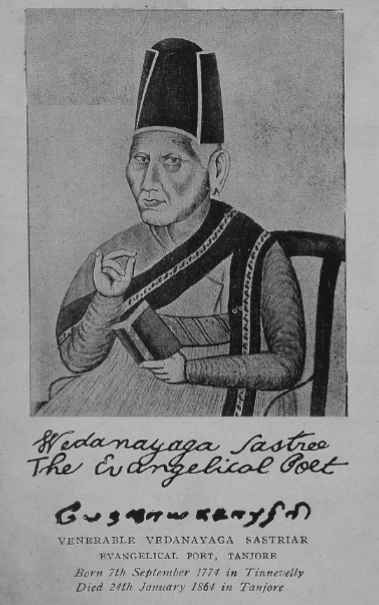 |
| Vēdanāyakam Sastriyār |
The richness of Tamil language and its musical nature of Tamil prosody did not escape many of the European missionaries. G.U. Pope (1828-1908) in his translation of Tiruvācakam is so spontaneously immersed in the emotional and devotional outpouring of the Saivite hymns that he has to defend himself from the Christian Mission, saying he translated Tiruvācakam overpowered by the beauty and the bakthi rasa and not the religious fervour.
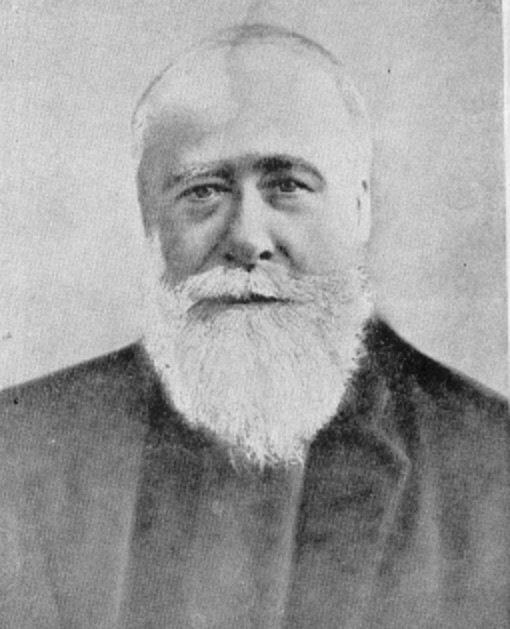 |
| G.U. Pope (1828-1908) |
Attracted by Tamil culture and literature Vīramāmuṇivar (Constantine Joseph Beschi 1680-1747) wrote Caturakarāti, Thirukkāvalūr Kalampakam and Kittēriyammaṇ Ammāṇai, Aṭaikalamālai, Tirukkāvalūr kalampakam, Karaṇāmpara Patikam, Aṇṇai Aḷuṅkal Antāti, Vaṇṇam and Tēvāram. Though he is known today popularly as the author of Tempāvaṇi, the kīrtaṇai-s that he wrote in the Āḷvār tradition with Mary as Periya Nāyaki and himself as Thairiyanātaṇ is excellent poetry. Among Christians the only kīrtaṇai popular is “jaganāta, kuruparanātā” (set in şaṅkarābharaṇam). Missionaries like Ziegenbalg admired Tamil and its traditions and worked with greater freedom among the natives. The Ñāṇappaṭṭu tradition began with him. In 1713 he published Book of Hymns Set to Malabaric Music with 48 songs which were easier to sing in the native melody structure.
 |
| Vīramāmuṇivar (Constantine Joseph Beschi 1680-1747) |
From then on the Christian kīrttaṇai tradition grew parallel with the tradition of the Tamil Mūvar and the Trinities in line with the rich legacy of Tēvāram and the songs of Āḷvār-s, the songs of Vallalār and Aruṇakirinātar. These songs are powerful and rich in musicality, fineness and steeped in effective usage of etukai and mōṇai of Tamil prosody, rich imagery and aṇi that is in no way inferior to other Tamil kīrttaṇai-s in value, prosody and music. Iraṭcanya Yātrikam, Tēmpāvaṇi and Petlakēm Kuravañci are in the tradition of Periyapurāṇam and Kamparāmāyaṇam.
Hailing from Tirunelveli, Vētanāyakam Sastriyar (1774-1864) was a student of Missionary Schwartz and later King Serfoji’s poet laureate. Vētanayakam Sastri has to his credit 122 literary works that include Ñāṇa Noṇṭi Nāṭakam, Petlekēm Kuravañci, 8 cirrilakkiyam (minor literary forms), 2 plays, 5 moral poetry, 4 icai ilakkiyam, 4 naṭṭuppura ilakkiyam, Ñānapata Kīrttaṇai-s, Parāparaṇ Mālai, Ñāṇakkummi, Ātiyāṇantam, Errappāṭṭu, Ñṇa Noṇṭi (poetic drama) and 77 prose pieces.
Petlekēm Kuravañci is a sublime poetry that proclaims the love between the maid of Zion and Jesus and is written in the kuravañci tradition in which a girl falls in love with God usually Murukaṇ or a king and the gypsy girl or the kuratti proclaiming her future married bliss with her sweetheart. This is modelled on Tirukkurrālakkuravañci by Tirikūṭarācappakkavirāyar. The ciṅkaṇ and ciṅki appear as Ñānaciṅkaṇ and Vicuvācaciṅki.
Sastriyar also wrote pathavarṇam-s, thāṇa varṇam-s, swarajathi-s and kīrttaṇai-s. Several kīrttaṇai-s are in the ragas used by his contemporaries. For example he wrote ‘paramajīvaṇā, pāvavimōcaṇā’ following the same pattern in Thiyagaraja’s sujaṇa jīvaṇā in gamās rāgā and cīr yēsunātaṇukku jeyamaṅkaḷam in the curuṭṭirāgā following Aruṇāccala kavirāyar’s “crīrāmachandraṇukku jeyamaṅkaḷam”. “Vāṇam pūmiyō parāparaṇmāṇiṭanāṇārō is a popular song in ceñcuruṭṭi.
The cantam (the sound evoking the tālā structure) structure of his is exceptional and follows Aruṇakirinātar. “Akamaṅkal pukaḷ vēṭā namō namō” is a typical example which has the same cantam pattern as in Aruṇakirinātar’s “nātavintu kalāti namōnamō”.
To read Sastriyār’s jepamālai is to enter into the world of complete sublimity; reading the opening song on creation is to be almost present at the act of creation.
In his Cāstrakummi (766) he foregrounds the primacy of music in worship in the kīrttaṇai “Caṅkītattai mutal koṭuttōn vētā / Cāstirataiyumtāṇ koṭuttāṇ / Camartaṇākiṇāṇ Ñāṇappeṇṇē.” “Pāṭittutimaṇamē paraṇaik koṇṭāṭittuti tiṇamē” in kāmpōṭi rāga is another popular kīrtanāi. He affixes all his kīrttaṇāi-s with his signature.
He has mostly used all popular rāgās – caṅkarābharaṇam, mōkaṇam, kāmpōṭi, and puṇṇākavarāḷi; nevertheless he has composed in several rare rāgā-s like nilāmpari, etukulakāmpōṭi, ceñcuriṭṭi, sūriyakāntāram, cakravākam, cēṇāvati, cayntavi, tuvicāvanti, and ciṅkalā. He uses ātitāḷā, tisraēkam, catusraēkam, rūpakam, cāppu etc.
It must be mentioned here that among the four Bāla Dikshitar, Varakappāyar, Vaṭivelupillai and Krişṇabāhavatar who introduced violin in the Karnatic music, Vaṭivelupillai learnt violin from Sastriyār.
Munsiff Māyūram Vēṭanāyakam Piḷḷai (1826-1893) wrote Pratāpa Mutaliyār Caritṭiram which is the first novel in Tamil and so he is called the father of Tamil novel. His Camaraca kīrttaṇai-s are of general nature often transcending religious barriers, only in a few places does he refer to Jesus as saviour. A very great humanitarian he fought for girl education and gender issues in Nīti Nūl, and Peṇṇ Kalvi.
 |
| Vēṭanāyakam Piḷḷai |
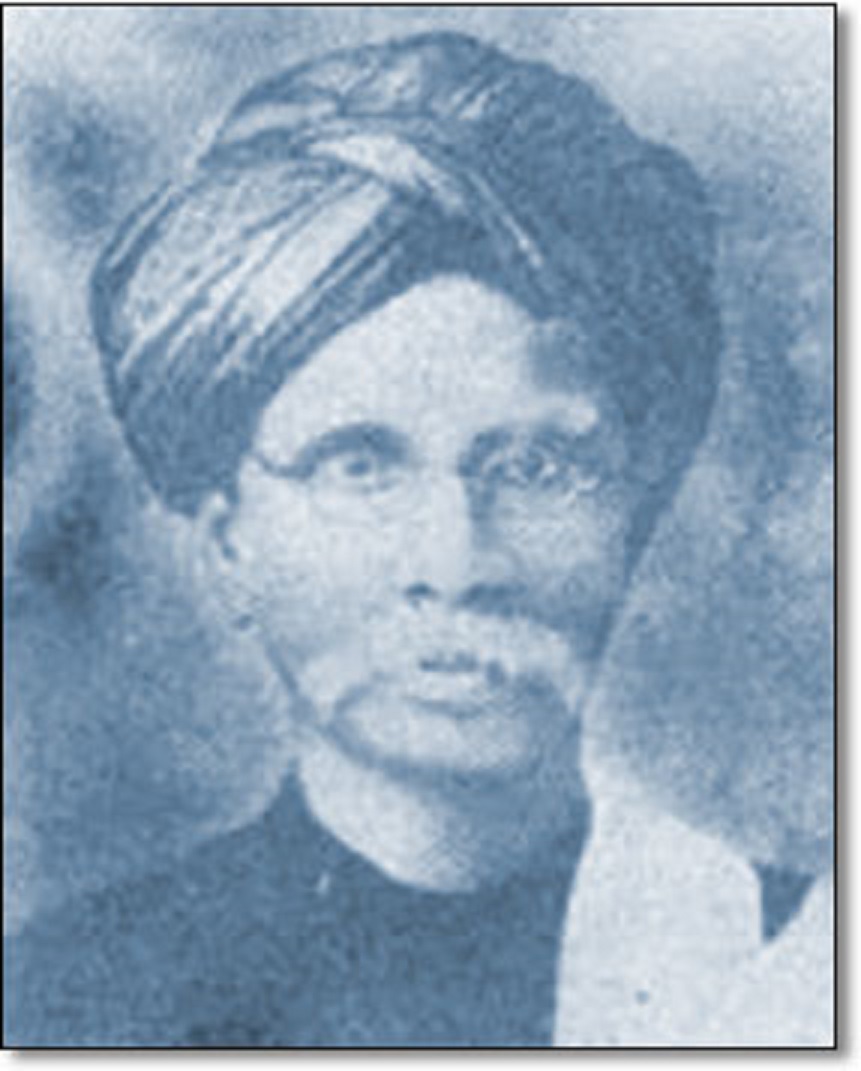
Native of Palayankottai, H. A. Krishna Pillai (1827-1900) is called the Christian Kampaṇ. Even while very young he memorized Kampa Rāmāyaṇam, Tirukkuraḷ and many other literary classics and this erudition coupled with the music of the rich Vaishnavite tradition that he was born into make his kīrtaṇai-s evoke sensibilities akin to those evoked by the Tirumurari-s.
 |
| H. A. Krishna Pillai |
Many of his kīrtaṇai-s like cattāynişkaḷamāy (shaṅkarābharaṇam) are in cempavaḷa naṭai. His famous works are Raccaṇya Manōkaram (566 songs) Raṭcaṇya Yātrikam (3813), Tēvārappāṭalkaḷ (144), Raṭcaṇya Camaya Nirṇayam(1898), Raṭcaṇya Caritham, Pōrri Tiruakaval, Ilakkaṇa Cuṭāmaṇi, Kāviyataruma Saṅgrakam (2500) and Vetapporuḷuṇmai. The epic, Raṭcaṇya Yātrikam is a powerful allegorical narrative poem based on Pilgrim's Progress. R. P. Sethuppillai says that the work is not a whit inferior to Kamparāmāyaṇam. His command of all the meters of Tamil prosody is commendable. He reaches unparallel beauty and symmetry in his kīrtaṇai-s and his devotion is breathtaking. His Raṭcaṇya Manōkaram is a work of great merit.
Rev. S. Yōsēp (1847-1895) was a man of great honour in the king’s service in Travancore. He published two periodicals Travancore Times in English and Travancore Abimāṇi in Tamil. His Cellattampi Pāṭal has 145 kīrtaṇai-s which crusade against caste and religious fanaticism.
N. Samuel (1850-1927) is a native of Kumbakonam. His grandfather was a minister to King Sethupathy and his father received Nāvalar award. He learnt Tamil in Tharmapura Ātīṇam and later became a scholar in English and German. His works include Catya Veta Pāyiram, Cuviceşaka Kirttiaṇaikaḷ, Uḷḷatu Nārpatu, Thiruvirunthāti, Tūpa kalacam, Pālar Pūccaram, and Kathāmalar kūṭai. Among his kīrtaṇai-s “cīr tiru ēka vastē”, “eṇmītparuyirōṭirukkayile”, “cēṇaikaliṇ karttāvē”, “guṇappaṭuppāvi” are often sung in churches.
 |
| C.P. Ñāṇamaṇi |
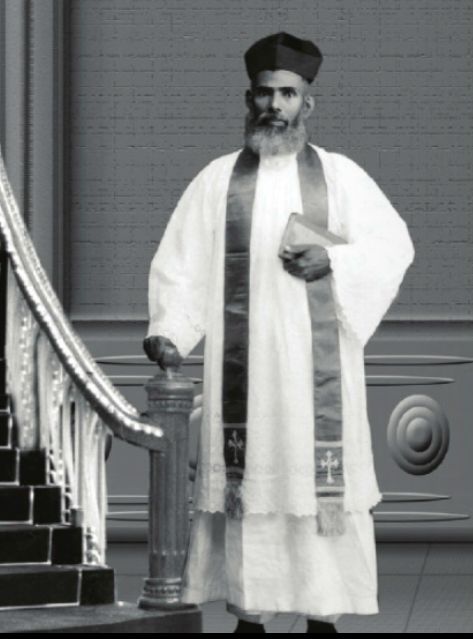
Three siblings - Rev. C.P. Ñāṇamaṇi, Canon C.D. Ñāṇamaṇi and P.S. Peter- sons of Vacciramaṇi Christian Upatēciār (1835-1910) were great scholars in Tamil. They have written more than 750 kīrtaṇai-s together. C.P. Ñāṇamaṇi wrote Marakkaḷa Muṇivar, Maccamuṇivar, Nirvicāri kavithai among other works. His two works were made into text books in 1895. C.D. Ñāṇamaṇi wrote Snānamuṇi Carithai, Kriştukulakkummi, Ciluvaippāṭakal and Veta kītaṅkal in striking diction. His 221 kīrtaṇai-s are written with excellent properties of Tamil prosody and in almost all popular rāgās like caṅkarābharaṇam, puṇṇākavarāḷi, keṇṭai, ceñcuruṭṭi, kalyāṇi and gowlibanthu.
 |
| C.D. Ñāṇamaṇi |
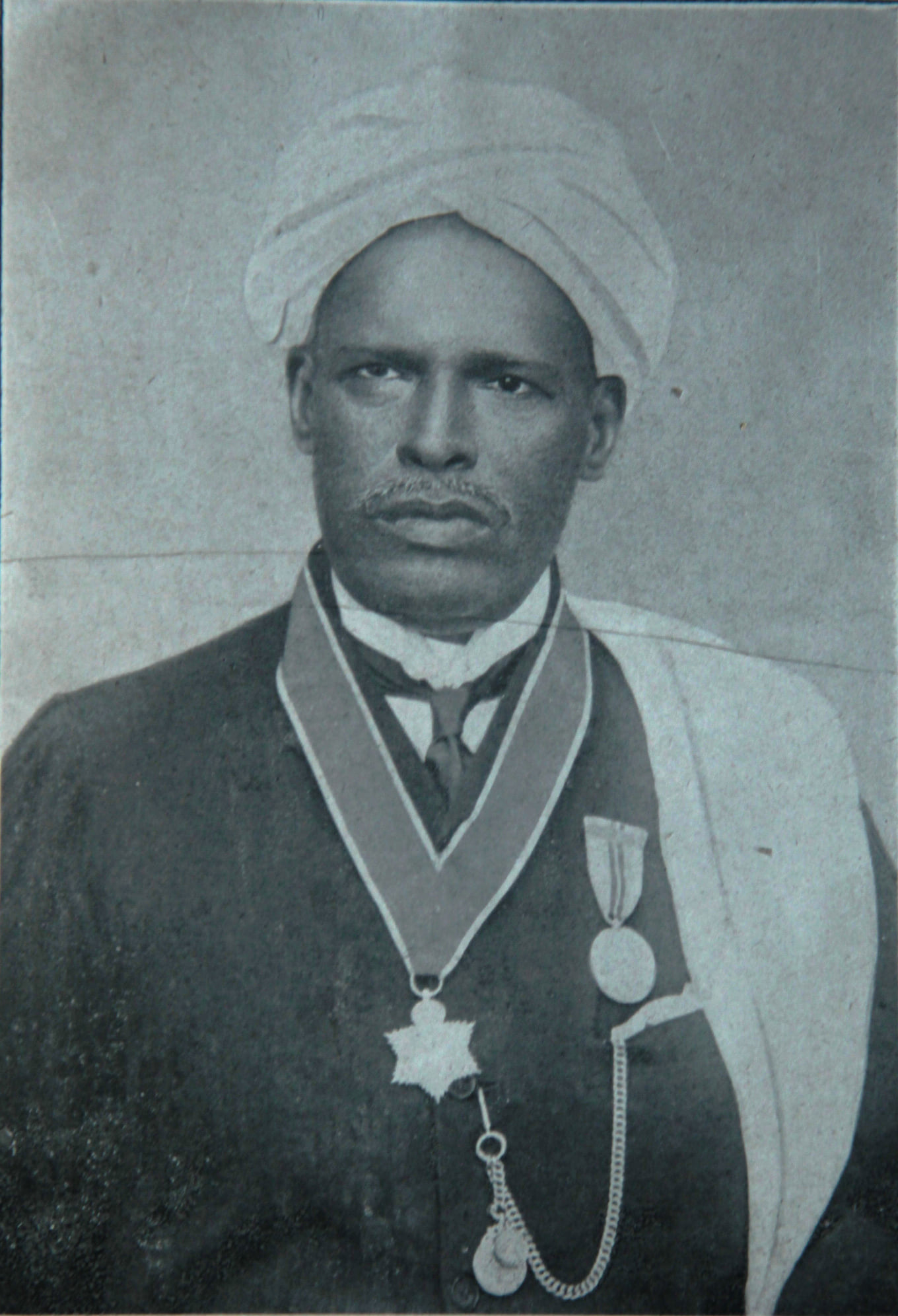
Abraham Panditar is called the father of Tamiḷicai Iyyakkam. He is the foremost and the greatest musicologist in Tamil who demonstrated through his researches that Tamil music is indeed Karnatic music. Through his mathematical calculations he proved in unequivocal terms that in ancient Tamil Nadu notes were set in geometrical progression as of now and that an octave has 24 microtones. He showed how by identifying the important note/notes (jīvasura-s) in a mother rāga, new rāga-s could be made. He strongly felt that if kīrtaṇai-s are sung in languages other than the mother tongue, the effect of music on the person is lost. Singing must be done with an awareness of the full import of the song. He believed that more than the western harmony the melodic form is capable of elevating the spirit to ecstatic heights. Besides kīrtaṇai-s he wrote Christian sahithiam (lyrics) for all the popular gītham-s and varṇam-s of popular musicians to educate the Christian children karnatic music and published them. He composed several kritis also, and may be the only one who has notated all his compositions.
 |
| Abraham Panditar |
“Āṭippāṭi Ābiraham āram pōṭuvāṇ / Tēṭivaṇtu kōlam colli lāli pāṭuvān” is in the Tamil lāli tradition and has transcreated the images of the avatāra puruşha in “Vēl vāyil māṇtuyrtha meykoṇḍa bāla / Ālamuṇṭu amutaḷitha Ābrahām devā.” The popular songs in the Tamil hymnal book are “ātharitēaruḷuvāy aruḷāṇaṇtanē”, “vārum tēvā tēvā iṅku”, “maṅkaḷam ceḷikka”, “camayamitharuḷ purivāy” are very popular.
Pandithar’s contribution to Christian kīrtaṇai tradition lay in working out a complete course work for the Christian learners to learn the music without any mistake in pronunciation, rāgā, and tāḷā in his Karuṇāmirta Sāgara Tiraṭṭu published in 1907. He has made musical phrases, tāḷa alaṅkārās, gītam, varṇam, kīrttaṇai, surajati, kiruti, rāgamālika, lakşaṇa gītā and rākaṅkāraka lakşaṇa gītā.
The work has 124 pieces: of these 118 are with lyrics and the others are musical phrases of caraḷi series in māyamāḷava kawlāi rāgā in ātitāḷā, jaṇtai, curatāṇa series, hetchu series, ravai jāti and alaṅkārā-s and two gītās.
Gītā is the basic form after learning the basic series in māyamāḷava kawlāīrāgā, and but for the two without lyrics, all the others have lyrics. The next stage curajati has 12 pieces. He has written 8 varṇam-s: 2 in şaṅkarāparaṇam (āti tāḷā, and aṭa tāḷā) and one each in hamsatwaṇi, bilahari, tacarākamālikai, kāmpōti, pairavi, and kalyāṇi. He calls 96 of the compositions including the varṇā, surajathi and some of the kīrtaṇai as songs (pāṭṭu) and 26 as kīrtaṇai.
All the 96 songs he wrote are made precise and tested for accuracy of rāgā notation and beauty: the first 41 by Saṅgīta Vidwan Jaganāthapaṭgosamy and the 55 by Palace Vidwaṇ Veṅkaṭācalam Iyyar.
Rev. Pākkiyanātaṇ Tāviṭu (1840-n.k) wrote kīrttaṇai-s both in Karnatic and Hindustani rāgā-s and performed katākālacepām-s (narrating stories mostly in folk style).
George S.Vētanāyakam’s (1868-1932) works include Amala Guru Catakam, Carkuru Catakam, Neñcuruku Catakam, Mātar Kummi, Āṭavar Kummi, Paṭakōṭṭippāṭṭu and Yērrappāṭṭu. His works are compiled in 12 anthologies in which his themes often are women’s liberation and women’s education. He uses āciriya viruttappā with 12 feet and etukai and mōṇai.
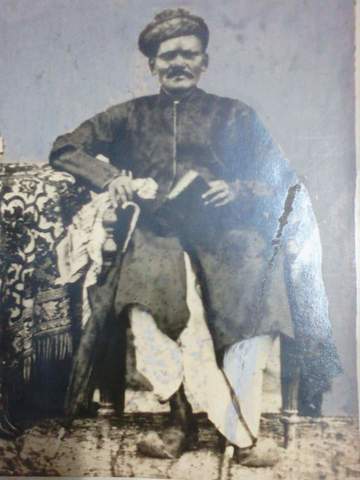
John Palmar (1812-1883) was a scholar in Tamil, English, Malayalam, Sanskrit and Greek. He wrote Kiristāyaṇa Kāviyam, Ñāṇapata Kīrtthaṇam, Mēcia Vilācam, Cattiya Vēta Carittirakkīrttaṇai, Piraṇāta Kummi and Nālaṟivu Cārkavi. In more than his 200 kirtthaṇi-s he has used 27 kinds of raga-s and 8 tāḷa types.
 |
| John Palmar (1812-1883) |
Tēvavaram Muṇşiyār (1802-1874) evinced great scholarship in Tamil, English, Sanskrit, science, astronomy and music. He has written Nālaṟivu Cāram in the form of question and answer, Vētavitikkuṟaḷ in Tirukkuṟaḷ form, Cemmoḷi in the form of Ātticcūṭi and Tirutattamālai in mūturai form. Intukkavi mālai is an anthology of kīrttaṇai.
Rev. Arulappan Savarimuthu (1886-1936) is a teacher from Tirunelveli. He had the habit of singing his kīrttaṇai-s in a great voice with great piety like Thyagaraja. He sang the Lord’s Prayer in harikāmpōtirāgā.
Dēvanēya Pāvaṇar in his Kristava Kīrtaṇam (1902-1981) has written 25 songs and 50 kīrtaṇai-s.
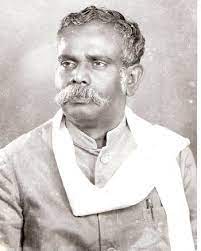 |
| Dēvanēya Pāvaṇar |
Mariyān Upatēciyār’s (n.k- 1908) kīrttaṇai-s were in ciṇtu naṭai and of them Dr. T. Dayanandan Francis exclaimed “Mariyān pāṭālukku urukātōr vēṟoruvar pāṭalukkum urukār”.
The list is long and includes Ēcutācaṇ Āṇṇāviyār (1848-1904-), Y. M. Soloman, Vētanāyakam Pākavatar (1883-1936), Tañcai Catyanātaṇ Pillai, M. Vētamāṇikkam (1864-1917) V. Macilāmaṇi (1858-1932), Dr. SavarirāyaṇĒcutācaṇ (1882-1969),Gabriyel Upatēciyār(1820-1885) T. Ayyātturai Pākavatar (n.k.- 1980).Rev. S. Paramanātam (1873-1960), Y. Yākopu, Rev. S. Simon, S. Mutucāmi, G. S. William, Tēvacakāyam Eḷuttar, Ratṇa Paratēciyār, Catyavācakam Paṇṭitar, S. S. Yecuvaṭiyan Iyar, A.I.Pitccaimuttu, Aruḷāṇaṇtam Pracaṅkiyār, Tayiriyam Eḷuttar, Īcakku Pākkiaṇāthaṇ and Āprakam Alvin L.Poṇṇucāmi Iyar (1897-1965) among many others.
Vētanāyakam Cāstriyār, H. A. Krishna Pillai and G. Samuel must be called the Christian kīrttaṇai Tirumūrthis (Trio) because their religious fervour and is akin to that of the Āḷvār-s and Nāyaṇmār-s. We see in them poignant poetry with unconditional love. The heartbreaking passion of “Eṅke Cumantu pōkirīr?”, “neñjē nī kalaṅkātē”, “ōṭivā jaṇamē”, the confessional tone of “aiaiyā nāṇ pāvi”, “nittiyakaṇmalai eṇakkāy” (mukāri), the deep piety of “theyvaṇpin veḷḷame” (kuntharavāḷi), the poignant pain in “saraṇam saraṇam antha” (nilāmbari) and the happy tune of “yūtha rajasiṅkam” (kithāra), “immaṭṭum jīvan tantha”, “āttumamē eṇ muḷuullamē” (āṇantha bhairavi) and the profundity of trust in “tēva pitā entaṇ meyppaṇṇallō” (kāmpōti) are only a very few that had not gone out of hearing. Hundreds of them have perished.
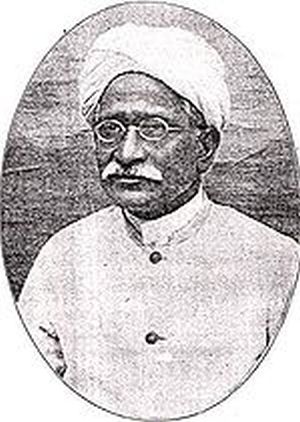 |
| G. Samuel |
One is amazed at this great repertoire of Christian Literature especially the kīrttaṇai-s, and wonders why they do not form a part of present Tamilisai - karnatic tradition in practice. This corpus will add value to the problematic discourse of the Sanskrit origin of the karnatic tradition and to help steer completely away from the charlatanism of Sanskrit and Telugu hegemony that prevails today in the world of karnatic music. Apart from piety, this body of poetry is rich in themes of social reform like women’s liberation and caste fanaticism.
Up to the first part of the last century, first and second generation of Christians wrote and sang kīrtaṇai-s. There were kaccerīs and katākālaccēpams so Christianity was largely swadesi (indigenus) in nature. But since karnatic music does not yield itself easily to congregational singing and since it demands hard learning Christians have abandoned them, and even the few that are sung only embarrass the Christians in the Hindu society. A few like Joti Pāṇṭian, Abraham Paṇṭitar’s son tried to make kīrttaṇai-s adapt to the accompaniment of orchestras and such programmes were popular and many times showcased among the programmes of Music Academy. And Varakuṇa Pāṇṭiyaṇ, another son made many of them to be sung in the Air India, but no one carried on the tradition. Because this Christian kīrttaṇai-s were not part of the learning programmes in Christian churches, Christian children were not provided the opportunity and consequently the following generations took to westernization. The very few kīrttaṇai-s that are sung in the churches are not sung properly. The foreign melodies that were so strange and alien to the Tamil Christian forefathers are now popular.
If this distinct tradition is rejuvenated and allowed to be part of Christian culture, part of the curriculum in schools and universities, kacchērīs and katākālacēpams, the large Christian population will again have recourse to their original cultural moorings and the distinct culture of Tamil Christians will be preserved as part of Tamil culture.
Interfaith dialogue is always helpful to fight out religious fanaticism and though Tamil Nadu among other Indian states stands out in religious tolerance and inclusiveness there is the danger of Hindutva corroding the goodwill among practitioners of different religions. A dialogue that nurtures and celebrates the common cultural background of the people is essential to continue peaceful coexistence. Christian kīrttaṇai tradition will add to the egalitarian spirit of Tamil Nadu and will be a rich addition to Tamil language, literature and music.
Christian kīrttaṇai tradition has its roots firmly in the bhakti tradition and embracing it as part of karnatic music would not only preserve the swadshi (local) nature of Christianity but also will be a powerful tool of interfaith dialogue that will celebrate unity in diversity. The soul stirring piety and the rich diction that one finds in these kīrttaṇai-s will be a value addition to the glory and splendour of karnatic music.
 |
| Music and Devotion by Angelo da Fonseca, 1902–1967 |
If one listens to songs like “varavēṇum eṇatarasē” (Vētanāyakam Sastriyar) by O.S.Arun in mōkaṇam, “kaṇkaḷai ēreṭuppēṇ” (Ayya Durai) by Kalpana in dēci, “jaganāta” (Vīramāmuṇivar) by Akila Srinivasan in kaṇakāṅki, “kaṇḍēṇ en kaṇ kuḷira” (Abraham Pandithar) by Nidyashree Mahadevan in mathyamāvathi, “caruvalōkātipa namaskāram” (T. Vedamāṇikkam) by Sriram Parthasarathy in inthaḷam, no matter they are sung by a Hindu or a Christian, the soul stirring melodies rich in language and music make us wonder at the richness of Tamil language and the unparallel Christian piety that could be conveyed through karnatic music.
But reviving this tradition is not going to be without challenges at present. If only we have nurtured the contributions made by our forefathers we wouldn’t be now censored of stealing the Hindu traditions. We did not cherish the tradition that was bequeathed to us by our forefathers and now reclaiming it has become deeply problematic.
In September 2018, when a programme of Christian kīrttaṇai-s was organised by the music Maestro Shyam, in which I was one of the organizers, the Brahmin singers were heckled and intimidated and the affair soon became national news, with the self attested guardians of karnātic music, most of them the Hindutva groups crying foul theft by the Christians. Many of the singers including O. S. Arun pulled out of the programme. In another such incident T.M. Krishna was condemned and harassed and concerts by T. M. Krishna were cancelled including one in the Sri Siva Vishnu Temple in Washington D.C. for singing Christian Kīrttaṇai-s.
Though Karnatic music originated in a secular background, it is completely brahmanized and even the other caste Hindus find participation in the sabās simply difficult. The music that was for years practised and nurtured by the Icai veḷḷāḷā community is deprived of their treasure. The anger of Sri Vidya Natarajan, the Canadian based university professor hailing from this community is not baseless: “An idiotic origin story of a 3,000-year old tradition (completely made up) and an attribution of everyting to Bharata (the author of Naṭya Sastra) came to stand in for acknowledgement of flesh -and blood historic foremothers” (the tēvatācī). But however difficult it is going to be we must with persuasion and perseverance reclaim our rightful heritage.
Identity is multilayered. That we belong to one religion, one culture one ethnicity excluding all the others is undesirable and impossible. Identity is complex. The fundamental virtue is winning the inner battle between the good and the bad. So it’s done in different ways. When we become Christians it is by faith, we believe that an imitation of Christ would make the battle easier. That does not exclude our culture and our way of living. Ones identity is multi layered and should not to be narrowed down to one or the other aspect of life, religion, ethnicity, or nationality; an individual can be all these at once. Flippant about any of these can be disastrous. The integrated whole is the healthy human being.
Dr. Amutha Pandian
Courtesy: Institute of Asian Studies
 |
| Dr. Amudha Pandian |
Dr. Amudha Pandian, is a distinguished academic, musicologist, and educationist. She is a Professor Emeritus of Music at Tamil University, Thanjavur, and the former Principal of Government Arts and Science College, Nandanam, Chennai. With over three decades of experience in teaching, research, and academic administration, she has made significant contributions to the study of Tamil musical traditions and Carnatic music particularly in the areas of history, sociology, and their socio-cultural dimensions. She also comes from the illustrious family of Abraham Pandithar one of the pioneering figures in the study and documentation of Tamil music.
Additional Reference:
- Y. Gnanachandra Johnson - Tamil Wiki
- வேதநாயகம் சாஸ்திரியார் - Tamil Wiki
- எச்.ஏ. கிருஷ்ண பிள்ளை - Tamil Wiki
- ஞா. சாமுவேல் - Tamil Wiki
- மாயூரம் வேதநாயகம் பிள்ளை - Tamil Wiki
- வீரமாமுனிவர் - Tamil Wiki
- ஆபிரகாம் பண்டிதர் - Tamil Wiki
- ஜான் பால்மர் - Tamil Wiki
- தேவவரம் புத்தூல்ப் - Tamil Wiki
- தேவநேயப் பாவாணர் - Tamil Wiki
- சி.பி. ஞானமணி - Tamil Wiki
- சி.டி. ஞானமணி - Tamil Wiki
- ஜி.யு. போப் - Tamil Wiki
